







Search Results for: milk cold brew

What's the Difference Between Milk Brew and Cold Brew with Milk? A Detailed Guide to the Fresh Milk Cold Brew Coffee Grounds Method and Cold Brew Latte Preparation
Cold brew coffee methods are endlessly varied, and when milk is introduced into a low-temperature immersion system, two distinctly different paths emerge: one is to directly replace water with fresh milk to cold-brew coffee grounds, known as milk brew; the other is to first make cold brew coffee, then mix in fresh milk according to a ratio. The two differ noticeably in extraction mechanism, flavor direction, and mouthfeel thickness. This article focuses on the practical parameters of Front Street. Queen's Estate, providing respectively the ratios, grind size, refrigeration time, and filtration key points for milk brew coffee and cold brew with milk added, and explaining the choice of medium-dark roasted beans and fruity medium-roasted beans suitable for pairing with milk, to help coffee enthusiasts make a smooth, sweetly fragrant, and clearly flavored cold brew latte in summer. [more…]

Is Cold Brew Coffee with Milk Good? A Detailed Guide to Cold Brew Coffee-to-Water Ratios and Brewing Tips
On a scorching summer day, iced coffee becomes many people's lifesaving elixir, and cold brew (cold steep) firmly holds the top spot among homemade iced coffees thanks to its simple operation and smooth taste. But many people secretly wonder: can the cold brew they've made be mixed with milk and drunk together? The answer is yes, but if you want the coffee aroma and milky fragrance to both shine, the ratio of grounds, water, and milk must be just right. This article breaks down everything one by one, from bean selection for cold brew, grind coarseness, coffee-to-water ratio, and steeping time, to the golden ratio for adding fresh milk, and also includes a lazy trick for making cold brew with drip bags, so you can easily recreate an iced milk coffee at home that rivals a café's. [more…]

Can Milk Also Be Used for Cold Brew Coffee? A Detailed Guide to the Making Principles, Coffee-to-Milk Ratios, and Practical Steps of Milk-Brewed Lattes
The allure of cold extraction lies in its ability to suppress the release of bitter compounds while, through prolonged steeping, bringing out a unique fermented note and rich aroma. In recent years, a method called "milk brew" has become popular in the coffee world—replacing the water in cold brew with milk or plant-based milk, turning milk from a supporting player into the main extraction medium. The proteins and milk fat in milk slow the release of flavor compounds, making the final cup softer and smoother. This article starts with the principles, then explains how to choose coffee beans, the recommended coffee-to-milk ratio of 1:10 to 1:13, the specific parameters for an 8-hour cold steep, and includes a convenient method for making milk brew with drip bag coffee, helping you craft a rich and robust milk cold brew. [more…]
What Is Milk-Brewed Coffee? The Complete Method and Recipe Ratios for Making Cold Brew with Milk Instead of Water
Replace the water in cold brew coffee with fresh milk, steep the coffee grounds at low temperature for a long time, and after filtering you get a silky, rich milk-brewed coffee. This method has recently drawn attention in coffee circles and is being called a new choice for fans of iced milk cold brew. This article will start with the principles of milk brewing, explaining why low-temperature extraction reduces bitterness and off-flavors, and how milk gives coffee a smooth, chocolate-milk-like texture. It then breaks down the practical points one by one: what roast level and flavor type to choose for the coffee beans, the actual differences in performance between fresh milk and oat milk, whether the grind should be coarser or finer than regular cold brew, what mouthfeel the 1:8 to 1:12 coffee-to-milk ratios each produce, the trade-offs between direct steeping and bag-steeping in terms of time and convenience, and whether it can be stored overnight once made. The article also retains Front Street's demonstration and specific parameters using two beans: Brazil Queen's Estate and Colombia Flower Moon Night. [more…]
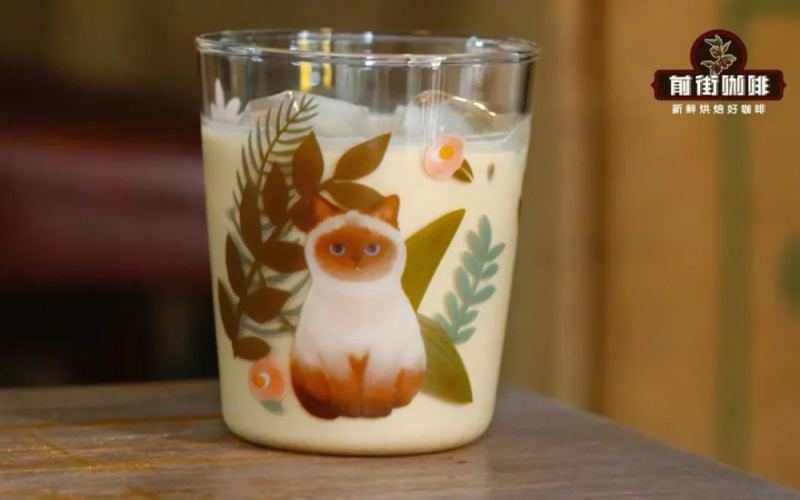
Can Cold Brewing Coffee Grounds with Milk Succeed? Front Street Coffee's Hands-On Guide to Making Cold Brew Milk Coffee: Approach and Step-by-Step Details
Can you use milk instead of water to brew pour-over coffee directly? From the perspectives of temperature and extraction efficiency, this idea is almost unworkable. But think about it from another direction—if milk is used as the soaking medium for cold brew, using time to make up for extraction in a low-temperature environment, the situation is completely different. Starting from Front Street's hands-on testing experience, this article records in detail the complete process of cold-brewing coffee grounds with milk, including recommendations for choosing coffee beans, the coffee-to-milk ratio, grind size control, and key precautions during the soaking process. Friends who enjoy making milk coffee at home might as well follow Front Street's steps to verify this interesting brewing idea together. [more…]
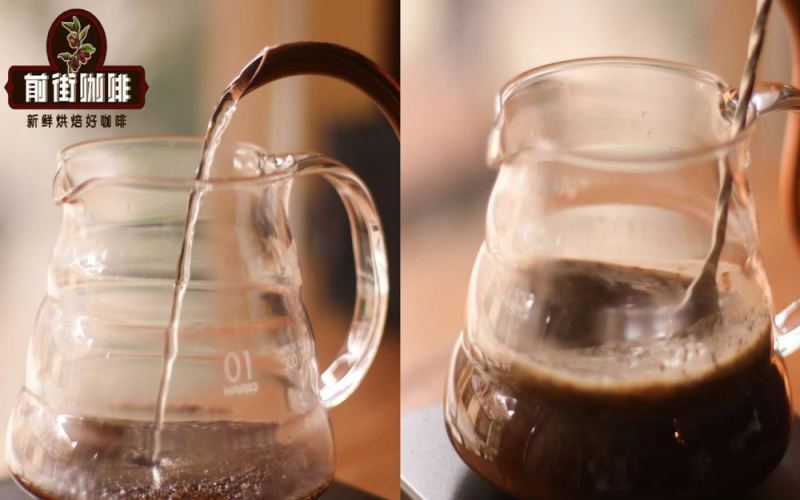
How to Make Cold Brew Latte Without a Coffee Machine: Detailed Method and Tips for Cold Milk-Infused Coffee
Want to enjoy a silky, smooth latte but don't have an espresso machine at home? In fact, with just a few simple steps—steeping coffee grounds in milk at low temperature—you can make a full-bodied, guilt-free cold brew latte. This article explains in detail the principles of milk-brewed coffee, the materials needed, brewing parameters and steps, and also includes a lazy version and tasting suggestions. It recommends several Front Street Coffee beans, including Sun-Dried Huakui, Mozart, Red Cherry, and Strawberry Candy, to help you easily enjoy professional-grade coffee flavors at home. [more…]

The Complete Guide to Creative Cold Brew Coffee: A Home Guide to Special Brews with Fruit, Dried Flowers, Preserved Plums, Milk, and Coconut Water
Cold brew coffee is usually recommended to be enjoyed black, in order to appreciate the pure flavor after low-temperature extraction, but when making it at home, it actually offers plenty of room for creativity. Front Street Coffee has put together five hidden ways to drink it today: adding fruit, dried flowers, preserved plums, milk, or coconut water — each one gives cold brew a completely different personality. Beans suitable for fruit cold brew include natural-process Huakui, washed Fruit Punch, Strawberry Candy, Sidra, and Kenyan Cherry Tomato; when choosing fruit, pay attention to whether it can withstand long soaking and whether its aroma is compatible — Kyoho grapes, white peaches, lychees, strawberries, cherries, and sweet oranges are all good choices. As for dried flowers, osmanthus, jasmine, and rose pair best with light-to-medium roast beans that have floral and fruity notes. Preserved plums and nine-process dried tangerine peel can bring a complex aroma with salty-sour notes and a sweet aftertaste. Milk cold brew comes in two forms: direct soaking and mixing in fresh milk. Coconut water mixed with cold brew at a 1:1 ratio is refreshing and cooling. [more…]
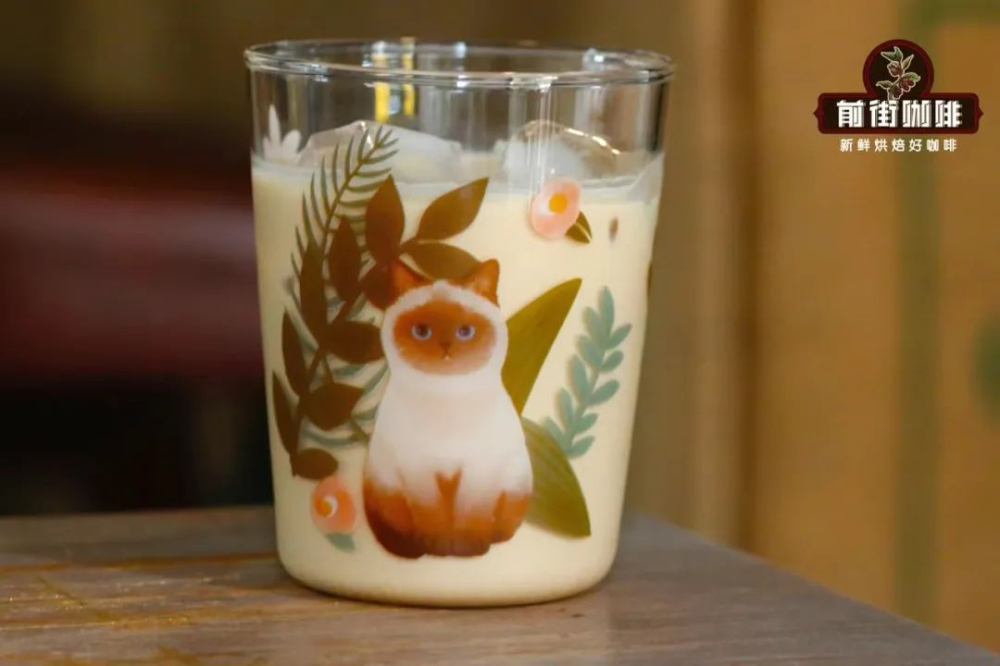
Cold Brew Latte | Can You Make Cold Brew Iced Latte with Milk and Coffee Powder? What Is the Method for Making Cold Brew Coffee?
For more specialty coffee knowledge, please follow our WeChat official account: Front Street Coffee (FrontStreet Coffee). A while ago, a customer asked, "Can milk be used to make pour-over coffee?" This is actually quite a tricky question. The first issue is temperature—pour-over often uses water at 90 [more…]
Making Cold Brew Latte Without a Coffee Machine: Detailed Method and Flavor Analysis of Home Milk-Brewed Coffee
Want to enjoy a silky-smooth latte at home but lack an espresso machine or other complicated equipment? In fact, as long as you master the core principle of cold extraction, you can easily make a full-bodied, easy-drinking milk-brewed latte with no fuss. This article starts with the flavor advantages of milk-brewed coffee, explains why cold extraction reduces bitterness and preserves aroma, and fully shares Front Street Coffee's recommended fresh milk choices, suitable coffee bean varieties, and specific brewing parameters and steps, including the coffee-to-milk ratio, grind size, and steeping time. It also includes a lazy version and storage suggestions to help you avoid the risk of milk spoiling. Whether you're a coffee beginner or a seasoned enthusiast, you'll find a practical and delicious home coffee solution here. [more…]

Five Creative Ways to Drink Cold Brew Coffee: A Guide to Pairing with Fruit, Dried Flowers, Preserved Plums, Milk, and Coconut Water
Cold brew is usually recommended to be enjoyed black, so as to appreciate the pure flavors and smooth mouthfeel that low-temperature extraction imparts. However, home enthusiasts have long since explored a rich variety of ways to flavor it. Simply by swapping in a different ingredient, cold brew can be transformed into a completely different taste experience. This time, Front Street Coffee has systematically put together five simple and easy-to-make innovative cold brew recipes—from fruit and dried flowers to preserved plums, milk, and coconut water—analyzing the principles of ingredient selection and pairing tips one by one, and offering practical suggestions down to the specific bean varieties and ratios. Whether you prefer bright fruity notes or rich milky flavors, you can find the cup that suits you, and easily recreate at home a limited-edition specialty drink that rivals any coffee shop. [more…]
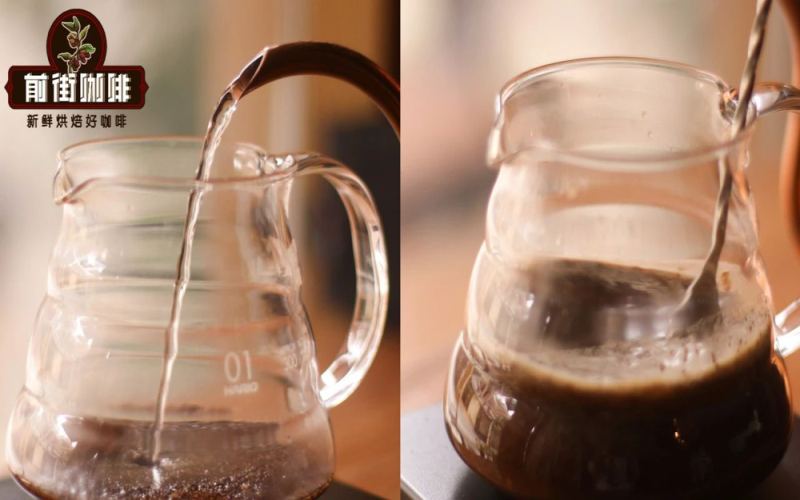
Iced Latte Recipe Introduction | How to make a latte at home without a coffee machine? How can coffee beginners make cold brew latte milk coffee?
How can cold brew coffee be limited to black coffee only!! This article will teach everyone how to easily make silky-smooth cold (milk) brew latte at home, without a coffee machine or complicated equipment~ Without further ado, GO GO GO! The soul of milk brew coffee: "Full-bodied taste, no burden." [more…]

Can Milk Be Used for Cold Brew Coffee? A Detailed Guide to Milk Brew Coffee Preparation and Storage Time
When water can no longer satisfy coffee lovers' desire for exploration, milk has become a new extraction medium. Is it actually feasible to use milk instead of water to brew coffee? The pour-over method is difficult to achieve due to milk's high saturation and limited heating temperature, but the cold brew immersion method offers new possibilities. This article will verify in detail the feasibility of milk cold brew coffee, starting from Front Street's practical experience, and share coffee bean selection preferences, home brewing steps, and storage precautions. Choose medium-dark roast or medium roast coffee beans, pair with fresh milk and soak at low temperature for 12 hours, and you can get a rich, fragrant milk coffee with a chocolate milk flavor. Want to know how to do it specifically? Let's take a look together. [more…]

How to Make Milk-Brewed Coffee? From Bean Selection to Cold Brew, Front Street Shares a Practical Guide to Milk-Extracted Coffee
When water can no longer satisfy coffee enthusiasts' desire for exploration, milk becomes a new extraction medium. Is it reliable to brew pour-over coffee with milk? The answer is no—milk has high saturation, weak extraction power, and proteins denature when heated above 70 degrees. But with a different approach, cold-brewing milk coffee by soaking coffee grounds in milk at low temperature is entirely feasible: low temperatures won't spoil the milk, and the extended soaking time exactly compensates for the lack of extraction efficiency. This time, Front Street Coffee selected the medium-dark roasted Sunflower Warm Sun blend, paired with Guangming Fresh Pasture fresh milk, using a 1:8 coffee-to-milk ratio and soaking at low temperature for 12 hours, ultimately obtaining a cup of milk-brewed coffee with sherry wine aroma and chocolate milk flavors. Let's take a look at the specific steps and key details below. [more…]

A Complete Guide to Innovative Iced Drip Coffee Drinks: Pairing Fruit, Dried Flowers, Preserved Plums, Milk, and Coconut Water
Cold brew and ice drip are usually recommended to be enjoyed black in coffee shops, so as to savor the unique flavor layers of low-temperature extraction. But for coffee lovers who are keen on making coffee at home, these two types of coffee are far more versatile than that. By adding different ingredients such as fruit, dried flowers, preserved plums, milk, or coconut water, an ordinary cold brew can transform into a completely different taste experience. This article compiles five hidden ways to drink cold brew and ice drip summarized by Front Street Coffee, explaining everything from bean selection to pairing ideas one by one, helping you easily recreate at home the creative specialty drinks sold for fifty yuan a cup in coffee shops. [more…]

Cold Brew Coffee Variations | Which Single-Origin Coffee Beans Make Good Cold Brew? How to Describe the Characteristics, Mouthfeel, and Flavor of Cold Brew? Can You Add Milk to Cold Brew Black Coffee?
For more specialty coffee knowledge, please follow our WeChat official account: Front Street Coffee (FrontStreet Coffee). Cold brew coffee is becoming more and more common nowadays. We are all very busy in our daily lives, so busy that we don't even have a moment to go buy a cup of coffee. In that case, cold brew coffee is the quickest way to get a cup of coffee right now. [more…]
How to Make a Latte Without a Coffee Machine: A Complete Guide to Easy Homemade Cold Brew Milk Coffee
Want to enjoy a silky, smooth latte at home but don't have an espresso machine? In fact, with just a few simple steps and a long, low-temperature steep, you can make a full-bodied, guilt-free cold brew milk coffee. This article breaks down the principles of milk brew coffee in detail, explaining why low-temperature extraction avoids bitterness and preserves aroma, and walks you through choosing beans and milk, along with specific coffee-to-milk ratios and steeping times. From gathering ingredients to the lazy version of the method, plus tasting and storage tips, this covers everything so you can easily achieve latte freedom at home. [more…]

Cold Brew Coffee Specialty Bean Recommendations | Can you use soda water or sparkling water to make cold brew coffee? Can you add milk or alcohol to cold brew?
For more specialty coffee knowledge, please follow our WeChat official account: FrontStreet Coffee. Cold brew coffee is made by soaking ground coffee beans in cold water for at least 8 hours, then extracting and filtering through professional equipment. As summer arrives, cold brew coffee is becoming more and more [more…]

A Comprehensive Analysis of Cold Brew Coffee and Iced Latte: Origins, Recipes, Brewing Tips, and Flavor Comparison
Cold brew coffee and iced latte are the two most popular coffee drinks in summer. The former showcases the pure flavor of black coffee through low-temperature slow extraction, while the latter brings a silky mouthfeel through the fusion of espresso and milk. This article will start with the origin story of cold brew coffee, introduce its production method and flavor characteristics in detail, then gradually break down the composition, extraction parameters, and blending techniques of iced latte, and share how to improve drink quality by selecting beans, adjusting the milk-to-coffee ratio, and paying attention to operational details. The article also specifically combines the practical experience of Front Street Coffee to recommend coffee beans and specific recipes suitable for making cold brew and iced latte, helping coffee enthusiasts easily replicate professional-level flavors at home. [more…]
Cold Brew Vienna Coffee Making Guide: Bean Selection Key Points, Cream Handling, and Detailed Parameters & Ratios
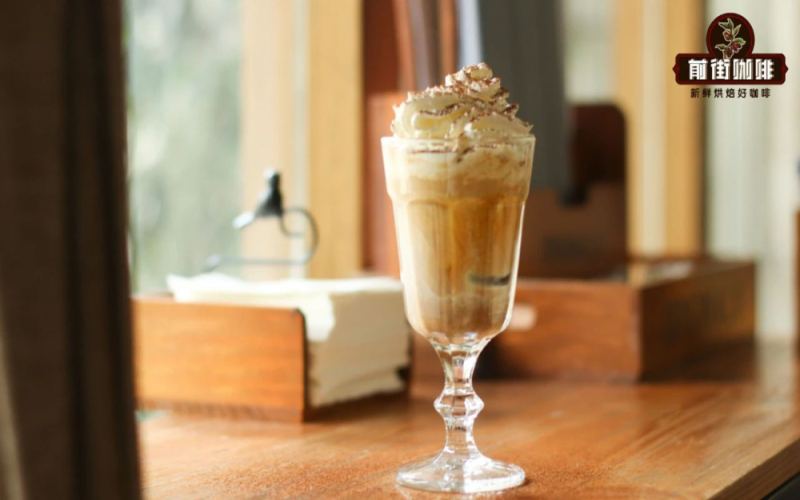
On a scorching summer day, a glass of iced coffee always brings a rare moment of cool comfort. If you top cold brew with a layer of velvety cream, you get the Cold Brew Vienna, which has become quite popular in recent years. This drink is not complicated to make and can easily be recreated at home, but if you want it to reach its best flavor, the choice of coffee beans and the way the cream is handled are the two key steps. Based on Front Street Coffee's hands-on experience, this article sorts out the roast levels suitable for pairing with cream, recommended specific bean options, and the differences between milk caps and whipped cream along with suggestions for choosing between them, and it also includes complete preparation parameters and drinking methods to help you make a cup of Cold Brew Vienna at home with distinct layers and a striking contrast in texture. [more…]
Starbucks Coffee Full Analysis: From Espresso Base to Cold Brew, A Detailed Guide to the Taste and Preparation of Classic Drinks Like Americano and Latte
Starbucks coffee is where many people first encounter specialty coffee in their daily lives, but do you really understand the product logic behind it? This time, Front Street Coffee takes you through a systematic overview of Starbucks coffee types and their flavor characteristics. Most Starbucks products are based on espresso, and by combining it with different ingredients such as water, milk, milk foam, and syrup, they give rise to classics like the Americano, Latte, Cappuccino, Flat White, Mocha, and Caramel Macchiato. In addition, the cold brew coffee that has become hugely popular in the past two years is also worth paying attention to. This article will introduce the recipe composition and taste differences of these coffees one by one, and include the specific brewing parameters for Front Street Iced Americano, to help you find the cup that best suits your taste. [more…]